Read Our Reviews


CALL
(480) 939-5818 | Home | | | | | | | Smile Gallery | | | | | Reviews | | | Blog | | | Contact Us |
| Home | | | | | | | Smile Gallery | | | | | Reviews | | | Blog | | | Contact Us |
Broken Filling
Mesa, AZ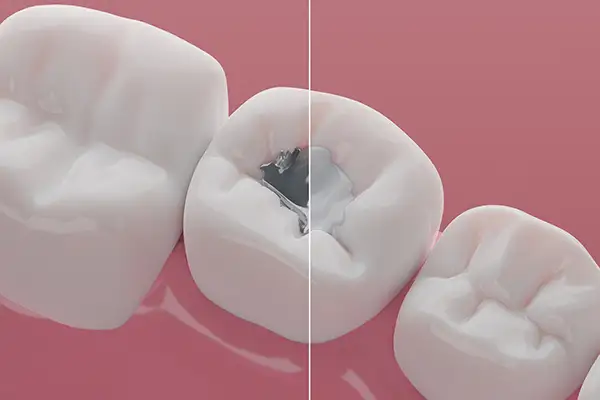
A dental filling provided by Timothy H. Kindt, DDS is meant to quietly do its job. It restores strength to a tooth that has been affected by decay and allows you to chew, speak, and smile without discomfort. Most of the time, you do not think about it at all. When a dental filling breaks, however, it can quickly become impossible to ignore. A rough edge against your tongue, sudden sensitivity when you sip something cold, or a sharp twinge when biting down can all signal that something is not right. Daily habits such as chewing ice, grinding teeth, or simply years of normal wear can cause a filling to weaken. Understanding what a broken filling means and what steps to take can help you protect your tooth and avoid more extensive treatment. Broken FillingsA dental filling restores a portion of the tooth that has been damaged by decay. While fillings are durable, they are not permanent. Over time, they can crack, loosen, or fall out entirely. Temperature changes in the mouth, biting forces, and natural aging of materials all contribute to wear. Signs It May Be BrokenA broken filling does not always cause immediate pain. In some cases, the damage is subtle at first. Common signs include:
If a filling has completely fallen out, you may notice a small hole in the tooth. Even if discomfort is mild, it is important not to ignore the problem. When a filling is compromised, bacteria can enter the exposed area and cause new decay beneath the surface. What To DoIf you suspect a broken filling, contact Timothy H. Kindt, DDS as soon as possible. Until your appointment:
Prompt attention helps prevent the issue from progressing into a larger fracture or infection. How the Dentist Treats Broken FillingsWhen you visit Timothy H. Kindt, DDS for a broken filling, the first step is a thorough examination. Our dentist will assess the extent of the damage, check for underlying decay, and evaluate the remaining tooth structure. Dental imaging may be used to determine whether decay has spread beneath the filling. Whether a filling can be repaired or must be replaced depends on several factors:
In some cases, if only a small portion has chipped and the rest of the filling remains stable, the dentist may be able to smooth the area or add additional material to repair it. More commonly, the damaged filling is removed completely, the tooth is cleaned of any decay, and a new filling is placed. If a significant portion of the tooth has fractured or decay is extensive, a simple filling may no longer provide enough support. In these situations, a different type of restoration may be recommended to protect the tooth from further damage. How Long Do Fillings Last?Dental fillings are designed to withstand daily use, but their lifespan varies depending on material and individual habits. On average:
These timelines are averages. Some fillings last significantly longer, especially in patients who maintain excellent oral hygiene and avoid habits that place excessive stress on their teeth. To extend the life of a filling:
Routine exams allow the dentist to detect early signs of wear before a filling fully breaks. Are There Alternatives?If a filling is broken, many patients wonder whether it will simply be replaced with another filling or if a different solution is needed. The answer depends on how much of the tooth remains healthy. When decay or fracture is limited, replacing the filling with a new one is often sufficient. However, if the cavity is large or the tooth walls are weakened, a dental crown may be recommended. A crown covers the entire visible portion of the tooth, providing added strength and protection. In cases where damage extends into the inner pulp of the tooth, root canal therapy may be necessary before placing a crown. If a tooth is severely compromised and cannot be restored predictably, extraction and replacement options may be discussed. The dentist will consider function, durability, and long term health when recommending the most appropriate restoration. How Often Do I Need To See The Dentist If I Have A Filling?Having a filling does not necessarily mean you need more frequent visits than other patients, but consistency is essential. Most individuals benefit from dental examinations and professional cleanings every six months. During these visits, the dentist evaluates existing fillings for signs of wear, leakage, or cracks. Patients with multiple fillings, a history of frequent decay, or habits such as teeth clenching and grinding may be advised to come in more often. Regular monitoring allows small issues to be addressed before they require more extensive treatment. Protecting Your Restored SmileA filling restores a tooth, but it does not make it indestructible. Teeth with fillings can still develop new decay around the edges if plaque accumulates. Staying proactive with oral hygiene and professional care helps preserve both the filling and the natural tooth underneath. If you notice sensitivity, discomfort, or any change in how your bite feels, scheduling an evaluation at Timothy H. Kindt, DDS promptly can prevent complications. Addressing a broken filling early is typically simpler and more conservative than waiting until symptoms worsen. Your smile in Mesa, AZ deserves attentive care. If you suspect a broken filling or it has been some time since your last dental visit, contact our office at (480) 939-5818 to schedule an appointment. Our team will evaluate your tooth, recommend the appropriate treatment, and help you maintain strong, healthy restorations. |


1244 N Greenfield Rd, Suite 105 Mesa, AZ 85205-4078 Call (480) 939-5818
 |
 |
