Read Our Reviews


CALL
(480) 939-5818 | Home | | | | | | | Smile Gallery | | | | | Reviews | | | Blog | | | Contact Us |
| Home | | | | | | | Smile Gallery | | | | | Reviews | | | Blog | | | Contact Us |
How Missing Teeth Can Change Your Life
Mesa, AZ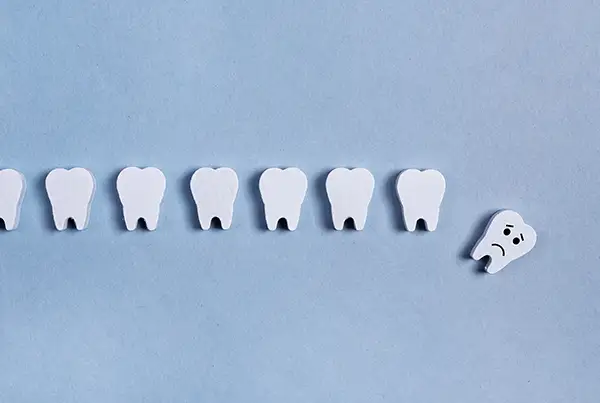 Most people understand that a missing tooth affects how a smile looks. What is discussed far less often is how profoundly tooth loss can affect the way you eat, speak, and feel over the months and years that follow. Whether you are missing one tooth or several, the effects have a way of compounding quietly in the background. By the time patients seek help, they are often dealing with a range of issues that began with a single gap. The good news is that modern dental restorations are more effective than ever at addressing these changes and restoring what was lost. Most people understand that a missing tooth affects how a smile looks. What is discussed far less often is how profoundly tooth loss can affect the way you eat, speak, and feel over the months and years that follow. Whether you are missing one tooth or several, the effects have a way of compounding quietly in the background. By the time patients seek help, they are often dealing with a range of issues that began with a single gap. The good news is that modern dental restorations are more effective than ever at addressing these changes and restoring what was lost.If you are suffering from tooth loss, contact Timothy H. Kindt, DDS at (480) 939-5818 so we can help. The Physical Changes You May Not ExpectWhen a tooth is lost, the surrounding teeth no longer have a neighbor providing structural support. Over time, adjacent teeth begin to drift toward the open space. This gradual shifting throws off the alignment of your bite, which creates a cascade of secondary effects. Chewing pressure is distributed unevenly across the remaining teeth. Some teeth take on more force than they were designed to handle, accelerating enamel wear. Others shift into positions that make proper cleaning difficult, increasing the risk of decay and gum disease in those areas. The jaw joints can also feel the impact. An imbalanced bite places stress on the temporomandibular joints, and some patients begin to notice jaw soreness, clicking, or tension in the surrounding muscles. These symptoms may seem unrelated to a missing tooth at first, but the connection becomes clearer with a thorough dental evaluation. Chewing function itself changes in ways that affect daily life. Raw vegetables, tough meats, crunchy foods, and anything requiring sustained bite force may become difficult or uncomfortable. Many patients begin unconsciously avoiding these foods without fully realizing it, and over time, those dietary shifts can affect nutritional intake, particularly when molar loss is involved. Speech is another area affected by tooth loss. Teeth play a direct role in forming many sounds, and gaps near the front of the mouth can cause noticeable changes in pronunciation. Some patients develop a lisp or find that certain consonants require more effort to produce clearly. This is something many people find genuinely embarrassing and it can affect how freely they communicate at work or in social situations. What Happens Beneath the GumsOne of the most significant consequences of tooth loss is one you cannot see. The jawbone beneath a missing tooth depends on the pressure of chewing to maintain its density. When a tooth root is no longer present, that stimulation disappears, and the bone begins to resorb. This process is gradual but continuous. Over time, it changes the shape of the jaw, loosens neighboring teeth, and can give the lower face a sunken or aged appearance, particularly in cases of multiple missing teeth. The longer a gap remains unaddressed, the more bone is lost. In some cases, this bone loss eventually complicates restoration options and may require additional procedures to rebuild adequate foundation. Addressing tooth loss sooner preserves more of the bone that was naturally there. The Emotional and Social ImpactTooth loss carries a social weight that can be difficult to express but is easy to recognize. Many patients report pulling back from smiling, covering their mouth when they laugh, or feeling reluctant to engage with new people. Over time, some become more withdrawn in conversation and avoid situations where their teeth might be visible, such as photos, presentations, or social gatherings. These are not minor concerns. Confidence in appearance is closely connected to how people engage with others and how they feel about themselves day to day. For many patients who come to us for help, the emotional toll of tooth loss turns out to be just as significant as the physical one. Restoring a smile frequently has an effect on quality of life that goes well beyond the mouth. How Dental Restorations Can HelpThe purpose of a dental restoration is not simply to fill a visible space. It is to restore the function, stability, and appearance that tooth loss takes away, including the structures that cannot be seen. Dental ImplantsDental implants are one of the most comprehensive options available for replacing missing teeth. A small titanium post is placed into the jawbone, where it integrates with the surrounding bone over a healing period. This integration is what sets implants apart from other restorations. Because the post functions like a tooth root, it restores the stimulation the bone needs to remain dense and healthy. A custom crown is then attached to complete the restoration, producing a result that looks, feels, and functions like a natural tooth. Additional Restorations AvailableThe right restoration depends on how many teeth are missing, the current condition of the jawbone, and your overall oral health. A comprehensive evaluation gives our team the information needed to recommend the most appropriate path forward for your specific situation.
Reclaiming What You Have LostMissing teeth rarely stay a contained problem. The physical effects, bone changes, and emotional impact tend to grow more pronounced the longer a gap goes unaddressed. If you have been living with tooth loss or are preparing for an extraction, our Timothy H. Kindt, DDS team is here to help you understand your options and take the next step with confidence. Contact our office today at (480) 939-5818 to schedule a consultation. |


