Read Our Reviews


CALL
(480) 939-5818 | Home | | | | | | | Smile Gallery | | | | | Reviews | | | Blog | | | Contact Us |
| Home | | | | | | | Smile Gallery | | | | | Reviews | | | Blog | | | Contact Us |
Longevity of Dental Veneers
Mesa, AZ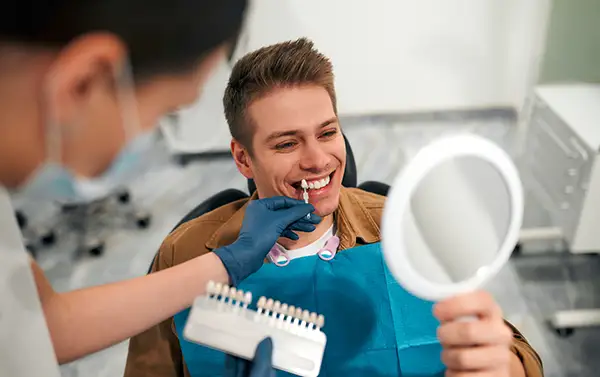
Dental veneers are a popular cosmetic treatment used to improve the appearance of teeth that are stained, chipped, uneven, or slightly misaligned. These thin coverings are placed on the front surface of teeth to create a brighter and more uniform smile. While veneers are designed to be durable, they are not permanent. Understanding how long veneers typically last and how daily habits affect their lifespan can help patients at Timothy H. Kindt, DDS protect their investment and enjoy their results for as long as possible. How Long Do Dental Veneers Typically Last?Dental veneers are designed to provide long-lasting cosmetic improvement. In general, most veneers last between 10-15 years, though many patients enjoy them for even longer when they take good care of their teeth and follow the dentist's recommendations. Several factors influence how long veneers last. The material used to create the veneers plays a role, but daily habits and oral hygiene routines are often just as important. Teeth experience constant pressure from chewing, biting, and grinding. Over time, this normal wear can affect veneers just as it affects natural enamel. Regular dental visits also play an important role in longevity. During checkups, our dentist examines the veneers for early signs of wear, cracks, or separation from the tooth surface. Identifying concerns early can help preserve the veneers and maintain the health of the underlying teeth. Different Veneer Materials And Their DurabilityNot all veneers are made from the same material. The two most common options are porcelain veneers and composite resin veneers. Both provide cosmetic improvements, but they differ in strength, stain resistance, and expected lifespan. Porcelain VeneersPorcelain veneers are widely known for their durability and natural appearance. Porcelain reflects light in a way that closely resembles natural enamel, which helps create realistic results. This material is also highly resistant to staining from foods and beverages. Porcelain veneers are fabricated in a dental laboratory and then bonded securely to the teeth. Because porcelain is strong and resistant to wear, these veneers often last longer than other options when properly maintained. Composite VeneersComposite veneers are created using tooth-colored resin that is shaped directly on the teeth by the dentist. This approach can be completed in fewer visits and allows for adjustments during the procedure. Although composite veneers still provide attractive cosmetic improvements, the material is generally not as durable as porcelain. Composite resin may be more susceptible to staining and wear over time. With proper care, composite veneers can still provide several years of improvement before they need repair or replacement. Daily Habits That Affect Veneer LifespanThe way veneers are treated each day has a significant impact on how long they last. Even strong dental materials can be damaged by certain habits or behaviors. One common habit that affects veneers is using teeth as tools. Opening packages, biting fingernails, or chewing on pens places unnecessary pressure on the veneers. This type of stress can cause chips or cracks. Chewing on hard objects is another concern. Ice, hard candy, and similar items can place sudden pressure on veneers that may damage the bonding or the veneer itself. Grinding or clenching the teeth, a condition known as bruxism, is another important factor. Bruxism places continuous pressure on teeth and restorations, which may shorten the lifespan of veneers if left unaddressed. How To Maintain Your Dental VeneersCaring for veneers involves many of the same habits that protect natural teeth. Consistent oral hygiene and mindful daily habits help preserve both the veneers and the teeth underneath them. Brushing twice each day with a non-abrasive toothpaste helps remove plaque and food particles that could affect the bonding area around veneers. Using a soft-bristled toothbrush helps protect both the veneers and the surrounding gum tissue. Flossing daily is equally important. Even though veneers cover the front surface of teeth, the natural tooth structure remains around the edges and between teeth. Plaque buildup in these areas can lead to decay or gum problems that may compromise the veneer. Routine dental checkups allow the dentist to evaluate the condition of your veneers and the health of the surrounding teeth. Professional cleanings remove plaque and tartar that brushing and flossing alone may miss. Foods And Beverages That May Affect VeneersDental veneers are designed to handle everyday chewing, but some foods can increase the risk of damage or staining over time. Hard foods such as ice, unpopped popcorn kernels, or very hard candies should be avoided. These items can create enough pressure to chip or fracture a veneer. Sticky foods may also create problems. Very sticky candies can place stress on veneers during chewing and potentially loosen the bonding material. Certain beverages and foods can contribute to discoloration, especially with composite veneers. Coffee, tea, red wine, and dark-colored sauces may gradually stain composite materials. Porcelain veneers resist staining more effectively, but maintaining moderation with these items can still help preserve their appearance. What If You Grind Your Teeth?Bruxism can significantly affect the longevity of veneers. Teeth grinding often occurs during sleep, meaning patients may not realize it is happening. The repeated pressure created by teeth grinding can cause veneers to chip, crack, or loosen over time. We recommend wearing a custom nightguard for patients who grind their teeth. A nightguard acts as a protective barrier between the upper and lower teeth, absorbing pressure and preventing direct contact between veneers. Wearing a nightguard regularly can dramatically reduce the risk of damage and extend the lifespan of both veneers and natural teeth. Signs Your Veneers May Need AttentionEven with proper care, veneers may eventually show signs of wear. Recognizing these changes early can help patients seek care before more significant issues develop. Some signs that veneers may require evaluation include chips or cracks in the veneer surface, rough edges that feel different when running the tongue across the teeth, or visible gaps between the veneer and the tooth. Changes in color or staining around the edges may also indicate that the bonding area needs attention. In some cases, veneers may loosen slightly, which can cause a subtle change in how the teeth feel when biting or chewing. Our dental team can evaluate these concerns and determine whether a veneer requires repair, adjustment, or replacement. Protecting Your Smile For The Long Term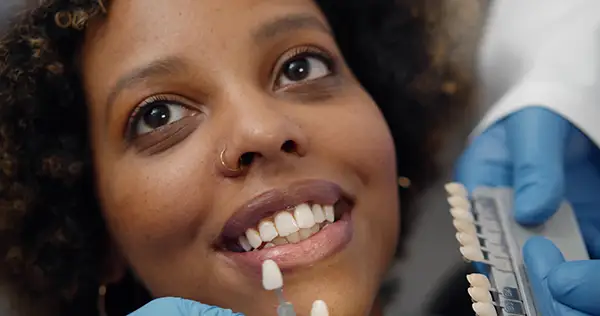
Dental veneers are designed to provide lasting cosmetic improvements, helping patients enjoy a bright and balanced smile for many years. While veneers are durable, their longevity depends heavily on daily care and protective habits. Maintaining good oral hygiene, avoiding damaging behaviors, and attending regular dental visits all contribute to keeping veneers in excellent condition. For patients who grind their teeth, using a nightguard can provide essential protection. By combining professional care with thoughtful daily habits, patients can extend the lifespan of their veneers and maintain the appearance of their smile long into the future. |


1244 N Greenfield Rd, Suite 105 Mesa, AZ 85205-4078 Call (480) 939-5818
 |
 |
